
Is Making Choices to Endure Physical Discomfort Helpful in Increasing Emotional Regulation?
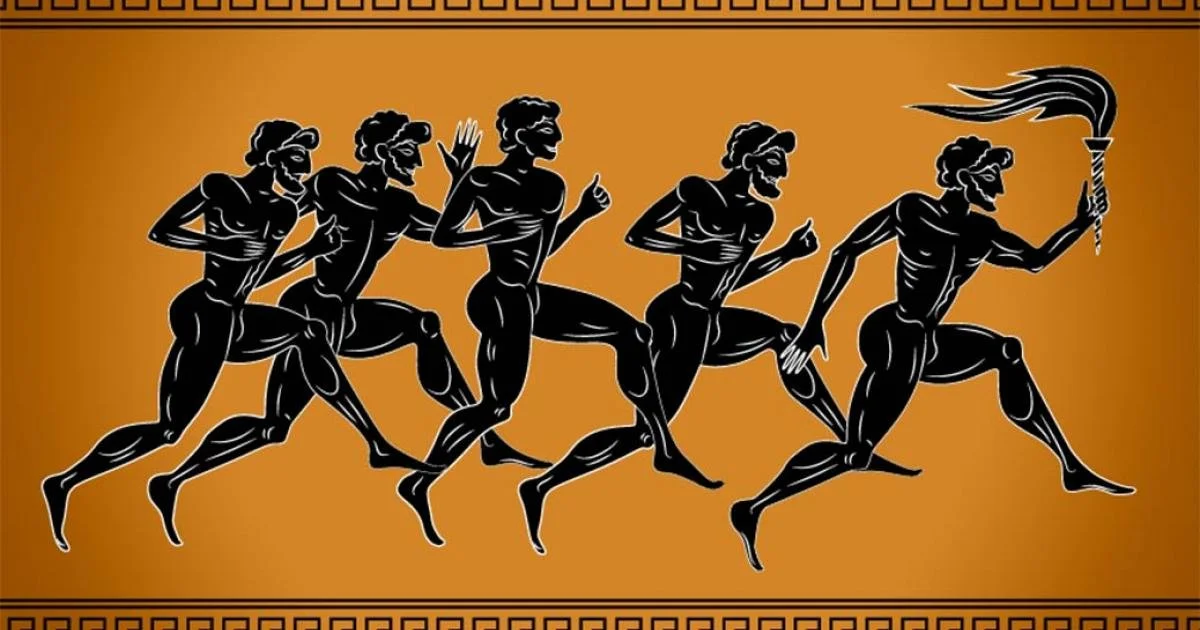
Before therapy was therapy, most people relied on religion, spirituality, and philosophy to gain perspective, change their behaviors, and improve their lives.
Epictetus famously argued, “Men are disturbed not by things, but by the views they take of them.” That line could be in a CBT manual.
Similarly, Seneca wrote letters designed to reduce anxiety, fear of death, anger, and attachment to status.
Again, a lot of this sounds therapeutic.
Another proposal often put forth in philosophical and religious discussions was that physical discomfort and restraint were helpful in increasing mastery over the emotions. Practices such as fasting, meditation, and strenuous exercise operated under the assumption that if you can master your base bodily urges and instincts, you can have greater mastery over your internal world—especially your emotions.
If ancient traditions believed that mastering the body strengthened the mind, what does modern science say?
What Modern Psychology and Science Have to Say
If ancient traditions believed that mastering the body strengthened the mind, what does modern science say? Could resisting bodily urges increase our capacity to emotionally regulate?
Modern psychological research suggests that the answer is: sometimes, under specific conditions.
Urges—whether physical or emotional—activate similar regulatory systems in the brain.
Hunger, craving, anger, and fear all begin as fast, automatic signals designed to push us toward immediate action. Emotional regulation depends on our ability to pause, evaluate, and choose rather than react. In other words, it increases our window of tolerance so that we can choose to react more skillfully.
Repeatedly practicing the pause, delaying the urge, and allowing yourself to sit with discomfort can contribute to emotional regulation if the discomfort is experienced and integrated under the right conditions.
The presence of restraint alone does not guarantee growth. Research on stress, motivation, and emotional regulation makes clear that the outcome depends on context.
Discomfort can build flexibility, or it can build rigidity.
It can increase agency, or it can reinforce shame.
The difference lies not in the discomfort itself, but under what conditions they are experienced.
The Conditions Under Which Voluntary Discomfort Strengthens Regulation
The research suggests that several moderating conditions determine whether discomfort increases emotional regulation.
These are as follows:
The foundational element is that the discomfort must be voluntary and not forced. This is important because choice adds meaning to an experience. Your nervous system reads it as a challenge and not a threat.
So fasting is not starving, practicing verbal restraint is not being silenced, and running a mile is not the same as running for your life.
The nervous system is experience-dependent. As the old saying goes, “The neurons that fire together wire together.” Repeated experiences shape neural pathways. But what gets wired depends on how the experience is interpreted.
When discomfort is imposed, the nervous system asks, “Am I trapped?”
When discomfort is chosen, the nervous system asks, “Can I handle this?”
That question changes the entire physiological cascade.
Research on stress appraisal consistently shows that perceived control moderates the stress response. Uncontrollable stress tends to increase cortisol reactivity and prolong recovery. Chosen stress—especially when time-limited and proportionate—can produce adaptive activation without overwhelming the system.
This occurs through manageable exposure to discomfort. Too much discomfort produces dysregulation, but too little produces no adaptation or endurance at all. The middle space is where endurance and regulation occur where we’re choosing to enter the experience within our current window of tolerance and increasing it through engaging in the experience.
The last piece we need to touch on was alluded to earlier: meaning and interpretation are crucial since it has such a strong impact on what neural pathways are strengthened.
Endurance of discomfort that is connected to values (faith, character, discipline, etc.) wires differently than discomfort that is driven by shame, self-hatred, perfectionism, or fear of punishment. In this case, exposure to discomfort can reinforce pathology rather than growth and flexibility.
Modern approaches such as Acceptance and Commitment Therapy emphasize this principle: values-based action changes how distress is metabolized. Viktor Frankl argued something similar decades ago—suffering ceases to be suffering when it finds meaning.
Conclusion
These conditions provide reflection for continued action and behavioral change as rewards of growth are recognized and integrated.
So fasting must not only be chosen, manageable, and value driven—it must result in reflection concerning the process of choosing and enduring discomfort. This would look like noticing the urge to break the fast—the hunger, the irritation, the mental bargaining—and choosing to pause rather than immediately respond. The individual delays the behavior, tolerates the discomfort for a set period of time, and then reflects afterward: What did I feel? What story did my mind tell me? Did the urge crest and fall on its own?
In that process, the brain learns something new: an urge can arise, intensify, and pass without being obeyed. Over time, that repeated experience forms new neural associations between discomfort and choice rather than discomfort and automatic reaction.
In the end, discomfort does not automatically produce growth, but voluntary, structured, meaningful, and integrated discomfort can.
I think the ancient traditions were onto something that modern neuroscience is now defining.
Mastery over impulse is not about punishing the body, it is about training it so we can increase our window of tolerance, respond skillfully, and grow into more whole persons.
Footnotes
Peter Gay, Freud: A Life for Our Time (New York: W. W. Norton, 1988), 3–25.
Epictetus, Discourses and Selected Writings, trans. Robert Dobbin (New York: Penguin Classics, 2008), 5.
Seneca, Letters from a Stoic, trans. Robin Campbell (London: Penguin Classics, 1969), 45–78.
Pierre Hadot, Philosophy as a Way of Life: Spiritual Exercises from Socrates to Foucault, trans. Michael Chase (Oxford: Blackwell, 1995), 81–125.
Roy F. Baumeister, Todd F. Heatherton, and Dianne M. Tice, Losing Control: How and Why People Fail at Self-Regulation (San Diego: Academic Press, 1994), 3–28.
Todd F. Heatherton and Dylan D. Wagner, “Cognitive Neuroscience of Self-Regulation Failure,” Trends in Cognitive Sciences 15, no. 3 (2011): 132–139.
James J. Gross, “Emotion Regulation: Current Status and Future Prospects,” Psychological Inquiry 26, no. 1 (2015): 1–26.
Robert M. Sapolsky, Why Zebras Don’t Get Ulcers, 3rd ed. (New York: Henry Holt, 2004), 29–75. Also see: Bruce S. McEwen, “The Protective and Damaging Effects of Stress Mediators,” New England Journal of Medicine 338, no. 3 (1998): 171–179.
Richard S. Lazarus and Susan Folkman, Stress, Appraisal, and Coping (New York: Springer Publishing Company, 1984); Shelley E. Dickerson and Margaret E. Kemeny, “Acute Stressors and Cortisol Responses: A Theoretical Integration and Synthesis of Laboratory Research,” Psychological Bulletin 130, no. 3 (2004): 355–391; Steven F. Maier and Martin E. P. Seligman, “Learned Helplessness at Fifty: Insights from Neuroscience,” Psychological Review 123, no. 4 (2016): 349–367; Jim Blascovich and Wendy Berry Mendes, “Social Psychophysiology and Embodiment,” in The Handbook of Social Psychology, 5th ed., ed. Susan T. Fiske, Daniel T. Gilbert, and Gardner Lindzey (Hoboken, NJ: Wiley, 2010), 194–227.
Bibliography
Baumeister, Roy F., Todd F. Heatherton, and Dianne M. Tice. Losing Control: How and Why People Fail at Self-Regulation. San Diego: Academic Press, 1994.
Blascovich, Jim, and Wendy Berry Mendes. “Social Psychophysiology and Embodiment.” In The Handbook of Social Psychology. 5th ed. Edited by Susan T. Fiske, Daniel T. Gilbert, and Gardner Lindzey, 194–227. Hoboken, NJ: Wiley, 2010.
Dickerson, Shelley E., and Margaret E. Kemeny. “Acute Stressors and Cortisol Responses: A Theoretical Integration and Synthesis of Laboratory Research.” Psychological Bulletin 130, no. 3 (2004): 355–391.
Epictetus. Discourses and Selected Writings. Translated by Robert Dobbin. New York: Penguin Classics, 2008.
Gay, Peter. Freud: A Life for Our Time. New York: W. W. Norton, 1988.
Gross, James J. “Emotion Regulation: Current Status and Future Prospects.” Psychological Inquiry 26, no. 1 (2015): 1–26.
Hadot, Pierre. Philosophy as a Way of Life: Spiritual Exercises from Socrates to Foucault. Translated by Michael Chase. Oxford: Blackwell, 1995.
Heatherton, Todd F., and Dylan D. Wagner. “Cognitive Neuroscience of Self-Regulation Failure.” Trends in Cognitive Sciences 15, no. 3 (2011): 132–139.
Lazarus, Richard S., and Susan Folkman. Stress, Appraisal, and Coping. New York: Springer Publishing Company, 1984.
Maier, Steven F., and Martin E. P. Seligman. “Learned Helplessness at Fifty: Insights from Neuroscience.” Psychological Review 123, no. 4 (2016): 349–367.
McEwen, Bruce S. “The Protective and Damaging Effects of Stress Mediators.” New England Journal of Medicine 338, no. 3 (1998): 171–179.
Sapolsky, Robert M. Why Zebras Don’t Get Ulcers. 3rd ed. New York: Henry Holt, 2004.
Seneca. Letters from a Stoic. Translated by Robin Campbell. London: Penguin Classics, 1969.
